2025 marked the 10th anniversary of 040x040. What started as a quirky exploration between Hamburg and Malmö has evolved into a cross-cultural community of creators, innovators, and curious minds. Ten years later, we're revisiting voices from the journey – and how their perspectives on creativity, collaboration, and city-making have shifted over time.
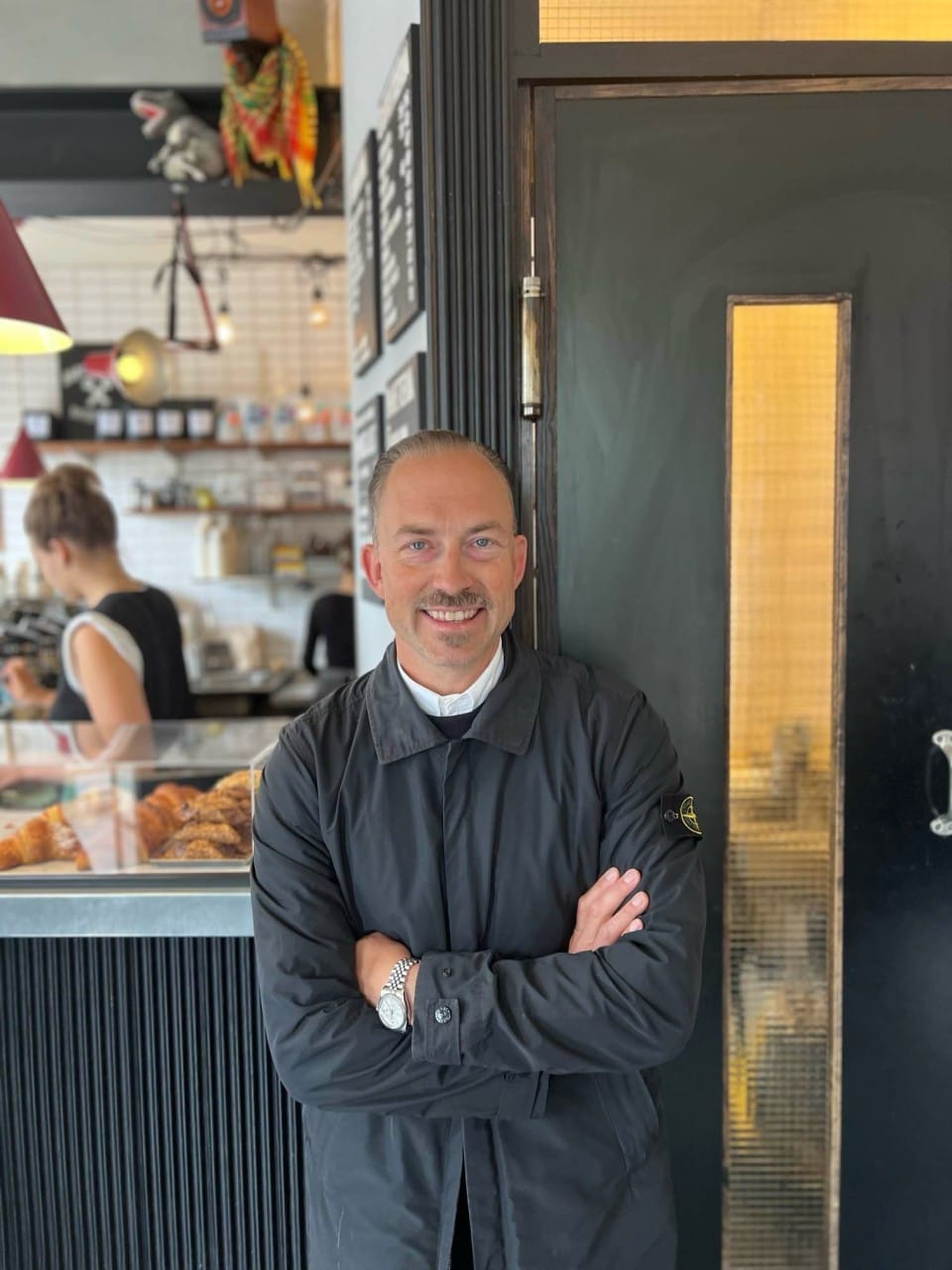
Johan Salo is Customer Engagement Manager at AI Empower Labs, a Swedish company whose sovereign AI platform brings operational AI to European industrial companies. He holds an MA in Interaction Design from K3 at Malmö Högskola. He also teaches AI combined with digital design at Kristianstad University and Stockholms Tekniska Institut (STI). Off hours, he runs a Personal Training studio in Malmö, competes in arm wrestling, writes fiction and music.
Matthias: It's been more than ten years since the first 040x040. Do you still remember it – and what stuck with you most? Johan: What stuck with me was meeting all the people and having such diverse experiences. One particular memory: Steffan Heuer, the writer and reporter living in Silicon Valley. He didn't use Google, didn't use Microsoft – you couldn't even reach him with Google Mail. Back then I thought it was maybe a little over the top, being so secure you can't use Facebook or LinkedIn. Now I've started to think maybe that's a good thing.
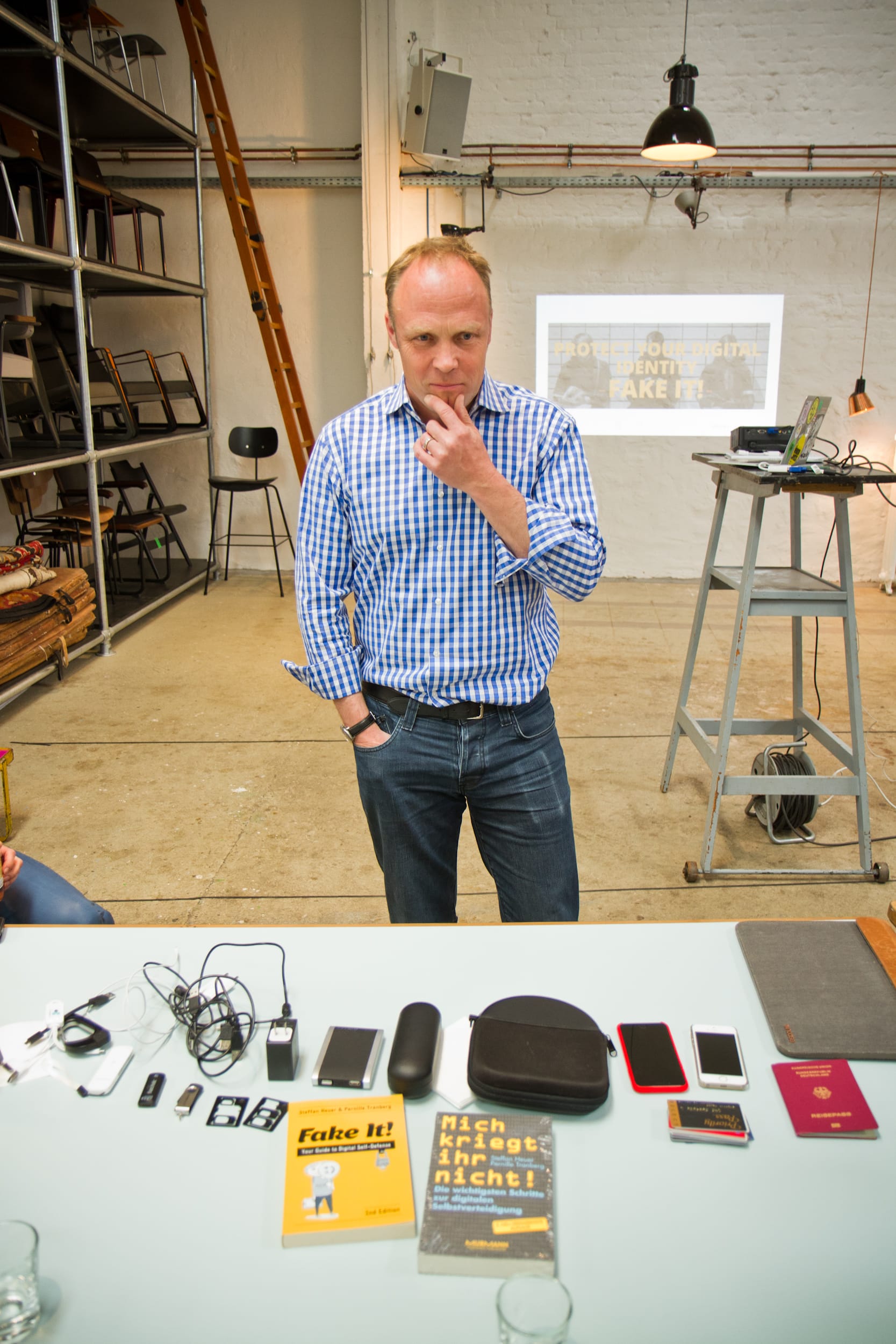
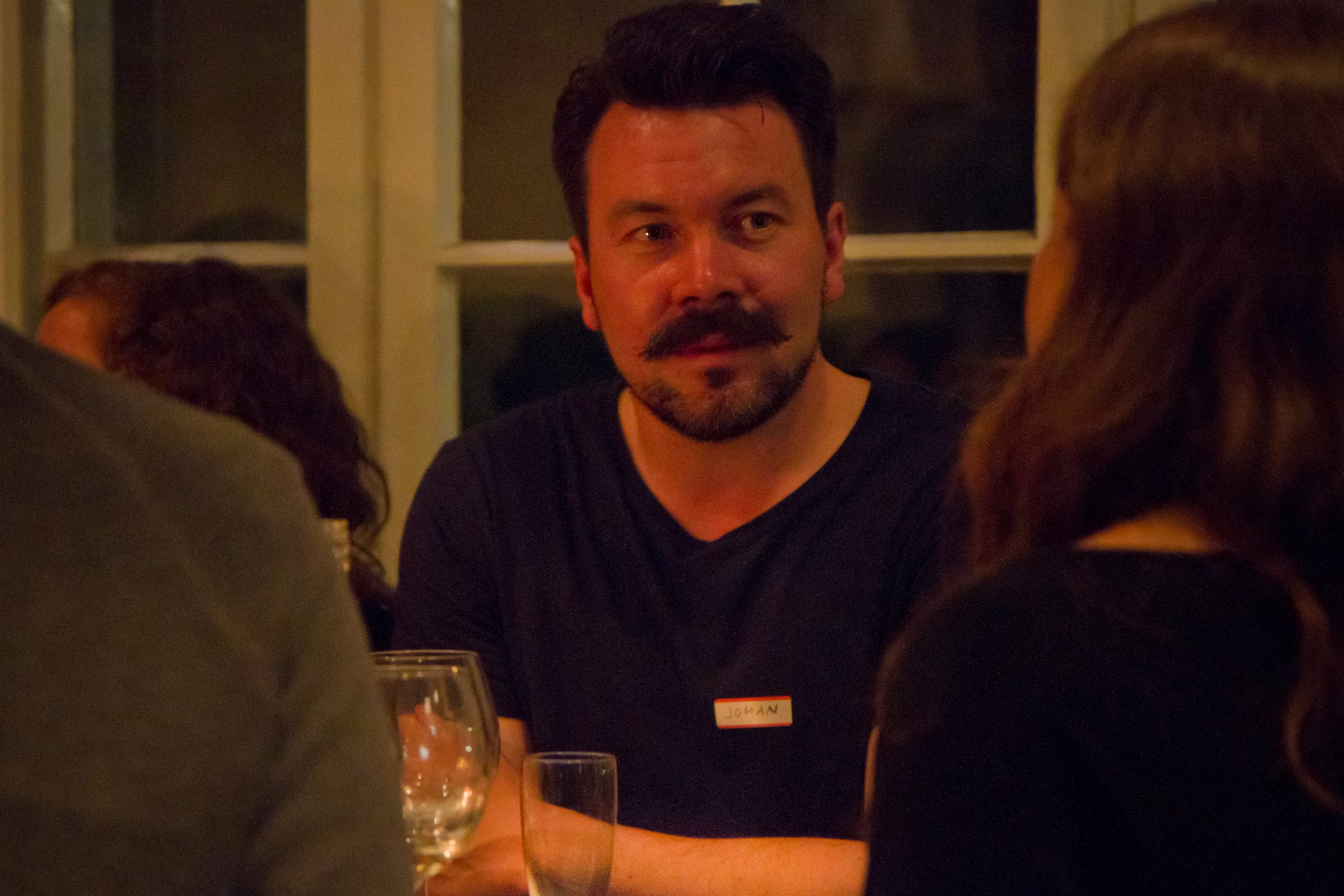
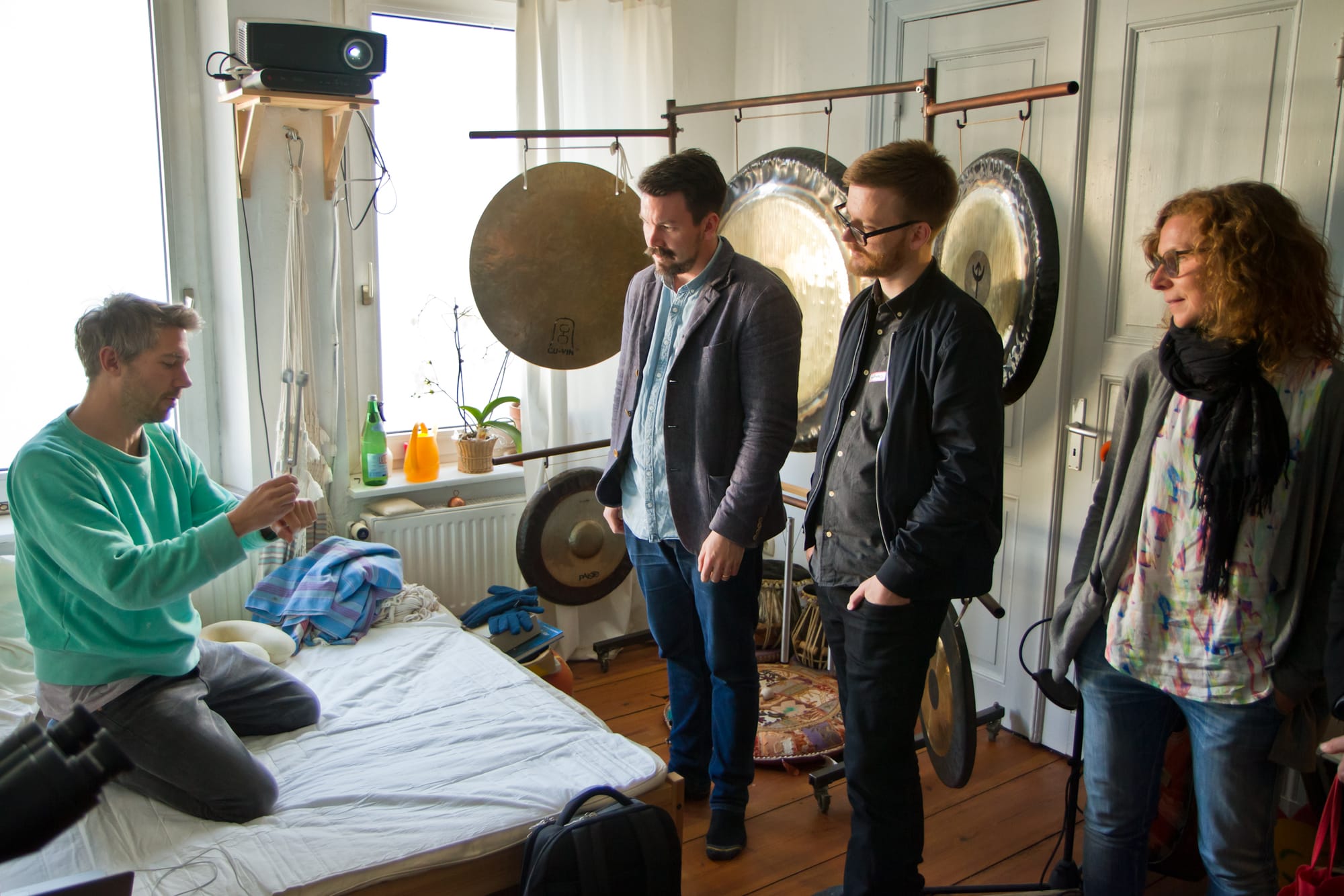
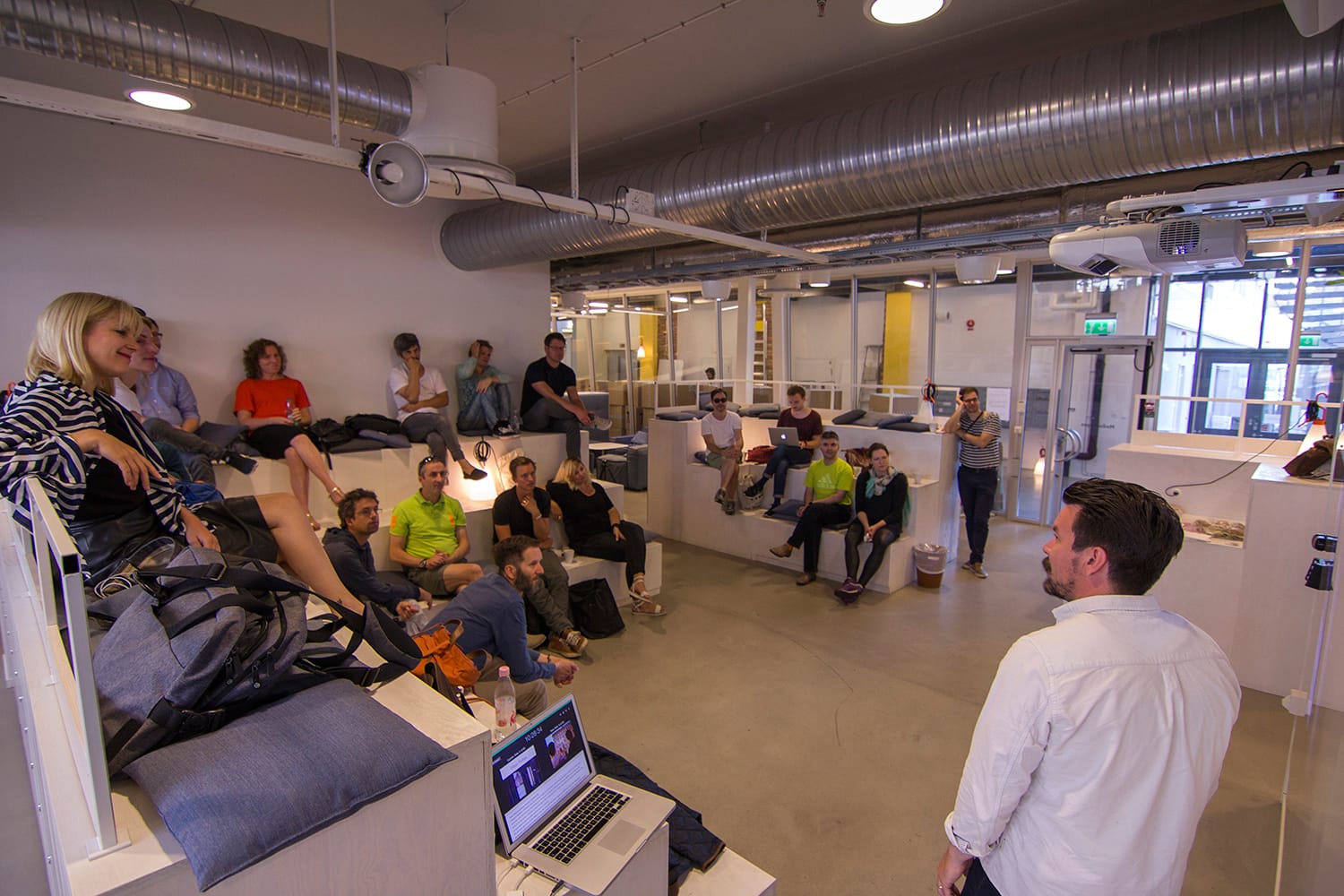
brandeins US-correspondent Steffan Heuer's talk, welcome dinner and home visit at sound artist Sven Meyer's home
Ten, eleven years is a long time. Who were you back then? I had my own company called Do-Fi. We experimented with quick iterations: short sprint experiments on location near the heart of the experience. We built prototypes that were almost ready-made products, then iterated them into services. We were very curiosity-driven: find the budgets and rooms to build stuff, and of course it also needed to be useful and give some kind of value for the people using it.We built the first prototype for Bambuser, which became a big part of the Arab Spring where people broadcasted live. We built tools where people could SMS votes onto a big screen at conferences. But we never scaled – we were designers and prototypers, and we got quickly bored. One project done: let's do location-based for blind people. Then the next, the next. Each project was a totally different domain, a totally different technology.
What does curiosity-driven design mean to you? Almost like being a practice-based researcher mixed with curious designers. We often worked with accessibility and diverse groups: young people, people in wheelchairs, visually impaired. In those contexts, we could really explore design and think beyond the screens. That's been my design motto for many years: I really don't enjoy screens so much. That's why we did a lot of interactions without the screen.

And where are you today? In 2019 I got interested in machine learning and machine teaching. I was a PhD student and thought: AI might be something. Then ChatGPT came in 2022. At the time I was at a design company called Ambition, on assignments at IKEA and Assa Abloy. I really wanted to work with AI early on – how can we combine AI and design? I started a small strategy workshop company, but I realized I wanted to do something bigger.So I joined AI Empower Labs. They have a platform where you can build AI agents for real, hosting our own models and all the infrastructure, including something called Foundry. The core question: how can we provide value to industries with AI – in a secure way? Your data stays where you are: Swedish data never leaves Sweden, European data never leaves Europe. If someone in another part of the world closes a data center, the company shouldn't be affected. You own your data, you control the AI models yourself. It's all about digital sovereignty – on-premise AI.
Celebrate the 10th 040x040 anniversary with us during
the 040x040 Hamburg Picnic September 3–4, 2026.
You're a UX designer by training and you teach. How do you think about creativity today? Creativity has something to do with play. In Swedish, play means two things: lek and spel – free play and games. One has no rules, the other has a fixed set of rules. For me, creativity is somewhere in between, at least professionally. You can have lots of creativity just by playing around, fiddling, trying out stuff, but you can also be creative within the borders of methods.I'm very playful as a person. But of course you have to be more systematic in some parts of the work you do. You know by experience that with this method, if we release this method and use this method, we will end up in the next phase of design work following certain design principles and design about design thinking, for example, and the design process. It's almost like a Toyota assembly line with creativity work if you know all the methods that belongs to certain phases. In that sense, while it looks like creative work, it's really systematic and linear.
You're teaching the next generation of designers. What are you noticing about creativity and AI? On the one hand, you have the classic design process – post-its, ideation, voting, sketching, formulating how this idea could relieve these given pain points or problems. On the other, you can just prompt something and AI sketches a fully working product in five minutes.The super lo-fi prototype – ugly, not working at all – invites you to the creative dance. It gets more people involved in discussing it. While the output from AI is closed. It's already done, already perfect. There's no design rationale behind it. You can't get stakeholder alignment from that, unless you have an AI-mature organization with processes that allow creativity to work.I also notice: we might need to find other domains, more complex environments. Otherwise it becomes just administration of design systems. If AI can design it maybe better than you, why bother working in that area? Service design might be more relevant. Stakeholder alignment, process design – the most tricky thing when we build AI agents is finding what kind of pains people have. You can't do that by chance. You need interviews, workshops, everyone on board to take ownership. It's a different kind of design.
You mentioned your earlier accessibility work. Do you see potential connecting that to AI? There's great potential. If you have trouble hearing, you can get visual aids with AI. For fun, I did what's called a prompter – in theaters they have this where the actor loses words. I built that for my mother-in-law on a big screen. She can't hear with her left ear, so when the family is discussing, she can't follow unless she sees the mouth really clearly. I experimented using Whisper, an open source model for speech, so she could see live what we were talking about. Things like that – if you look at someone's pains and needs, you can probably build it with the help of AI.
How has collaboration changed for you over the last ten years? When the pandemic came, I was surprised how quickly we found ourselves inside Miro, Figma, Zoom, Teams. For two, three years I was every day inside Miro or Figma – everything became a repository for all projects. Now I don't use them at all. I work near customers and have the opportunity to go there physically. I really enjoy going somewhere, having discussions, laying it out on the table.Then AI came. I remember workshops where we let ChatGPT summarize the post-its – we were overwhelmed by how fast and good it was. But it also felt like giving too much power to the LLMs.This summer I was writing a short novel just for fun. I thought: let me use AI a little. I fed Claude all my previous writings and feedback from a writing course, and said: be my editor. Give me feedback, I write the sections, I don't lose control. It worked beautifully at first – "improve that section, now let's continue to the next chapter." Then at some point I asked: could you just write this next part? It's boring. And my experience flipped. By the end, it got boring as soon as I let AI in too much. I got the sensation that AI maybe can do this better than me – but I ended up in a place I didn't want to be. The aim was to have fun and write. It started as the perfect sparring partner, but once I let it take over, the original purpose got lost.
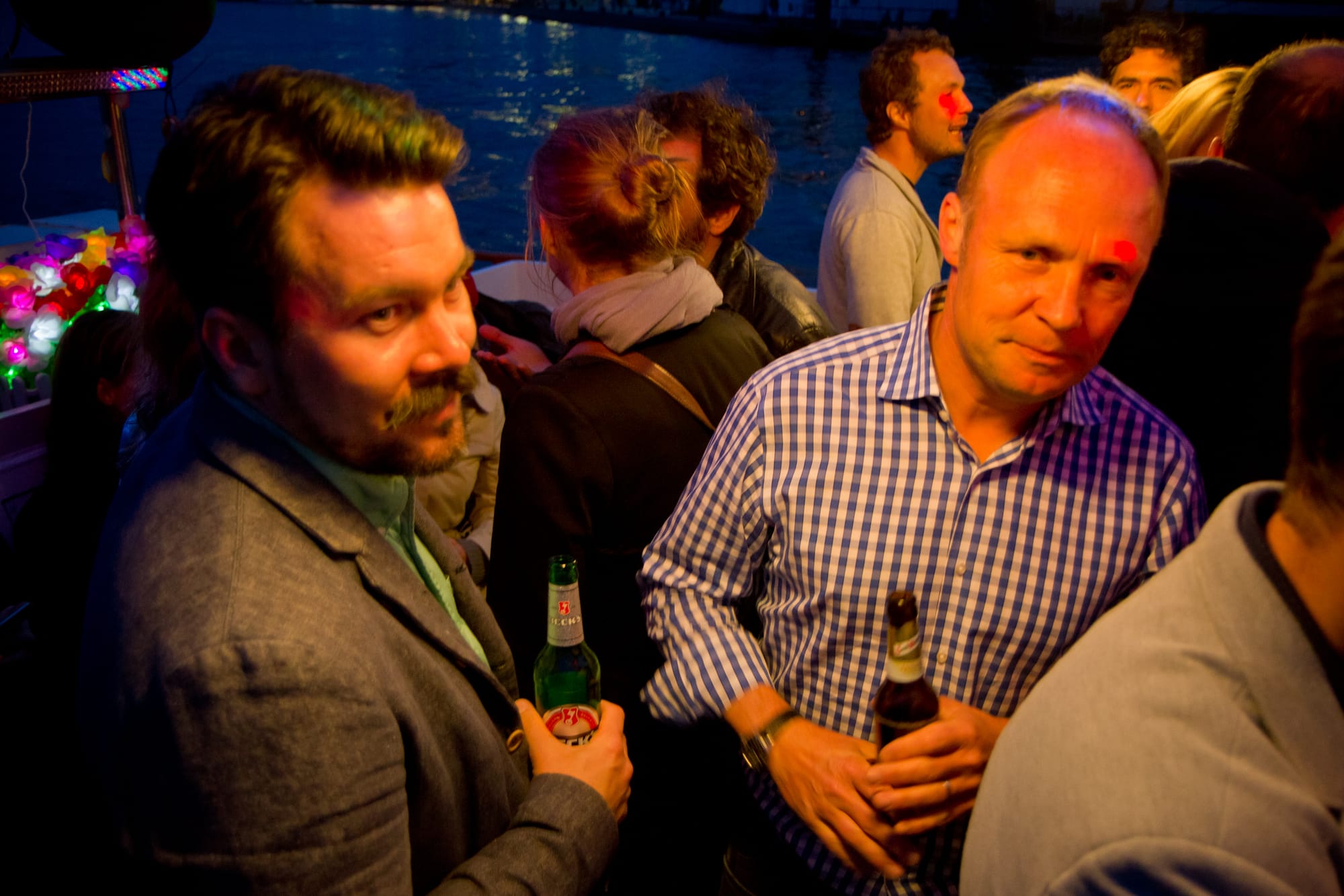
Let's talk Hamburg–Malmö. What surprised or inspired you about Hamburg? I found Hamburg surprisingly similar to Malmö. Even though it's a much bigger city, it had the same laid-back atmosphere. I also remember the boat party in the harbor – I was amazed by all the big ships, the scale of it. And the people: consistently friendly, welcoming. But that wasn't a surprise – I'd been to Hamburg before.
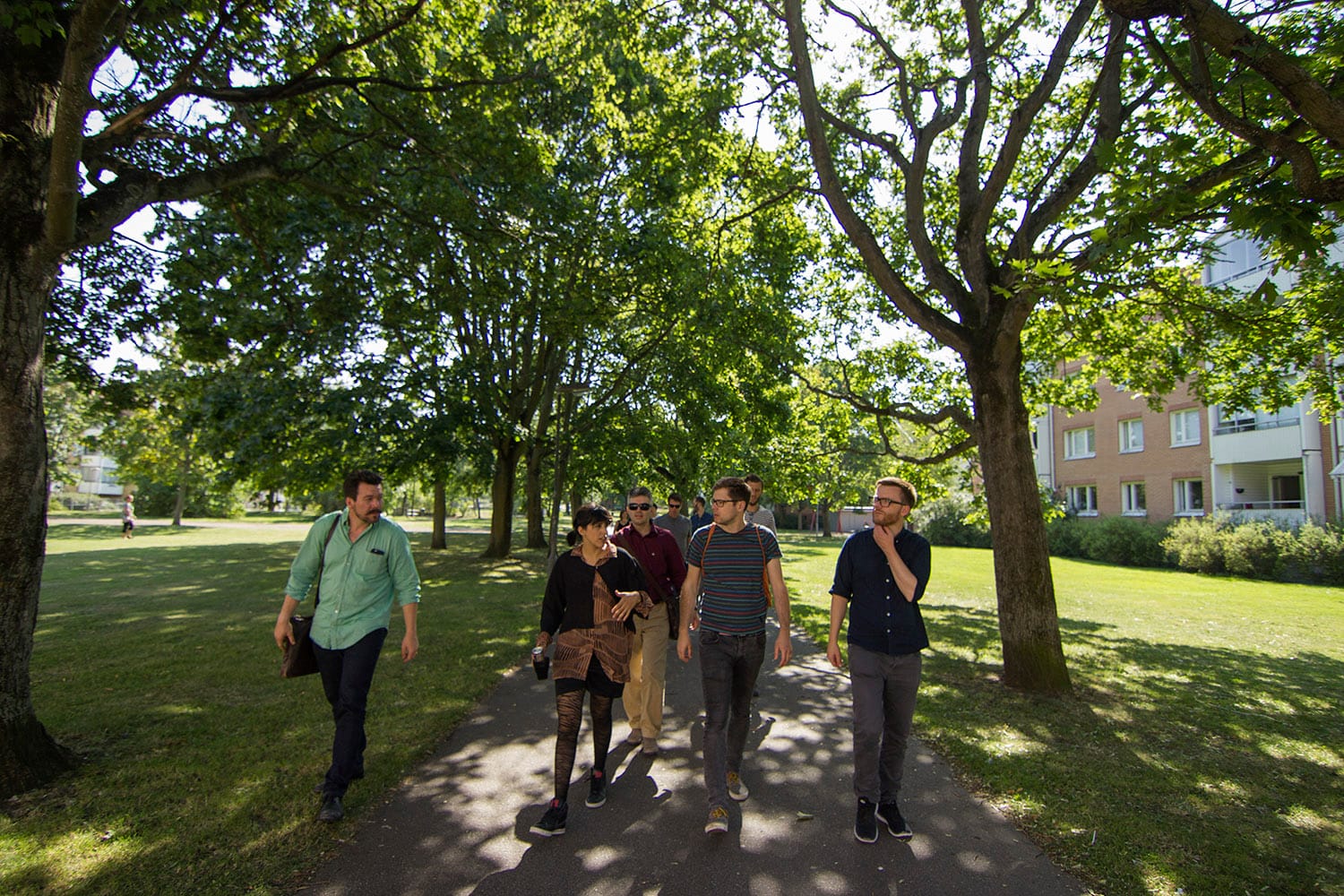
Three Malmö recommendations for people from Hamburg? First: when you come to Malmö, talk to me – I'll tell you the secrets. But more seriously: I love taking a run around Pildammsparken, that's one of my favorite things. Then Kallbadhuset – going there for a plunge in the cold water and sauna. Best during January or February when the water is really cold, so you have that contrast. And third: my sauna at home. I can invite you – it only fits two people, plus me. Exclusive.
Looking ahead, what would you hope for a new edition of 040x040? I like the format. There's two sides to it: as an entrepreneur, you set your expectations, think about what you want to get out of it – you need to justify going, get funded. But the personal experience side is just as important. Maybe even increase that a bit more. And more sports – that running thing during 040 actually kicked off my running career. I started afterwards, went to a half-marathon, then the Stockholm Marathon, cross-trail. It was the first time I ran in many years and I thought: this is nice.
Thank you!