2025 marked the 10th anniversary of 040x040. What started as a quirky exploration between Hamburg and Malmö has evolved into a cross-cultural community of creators, innovators, and curious minds. Ten years later, we’re revisiting voices from the journey - and how their perspectives on creativity, collaboration, and city-making have shifted over time.
Matthias: It’s been a few years since your first 040x040. Do you still remember it - and what stuck with you most? Harald: Yes, I do. I’d been curious about Hamburg for a long time. I’d only passed through once as a kid, so when the opportunity came up, it felt like a real reason to return.
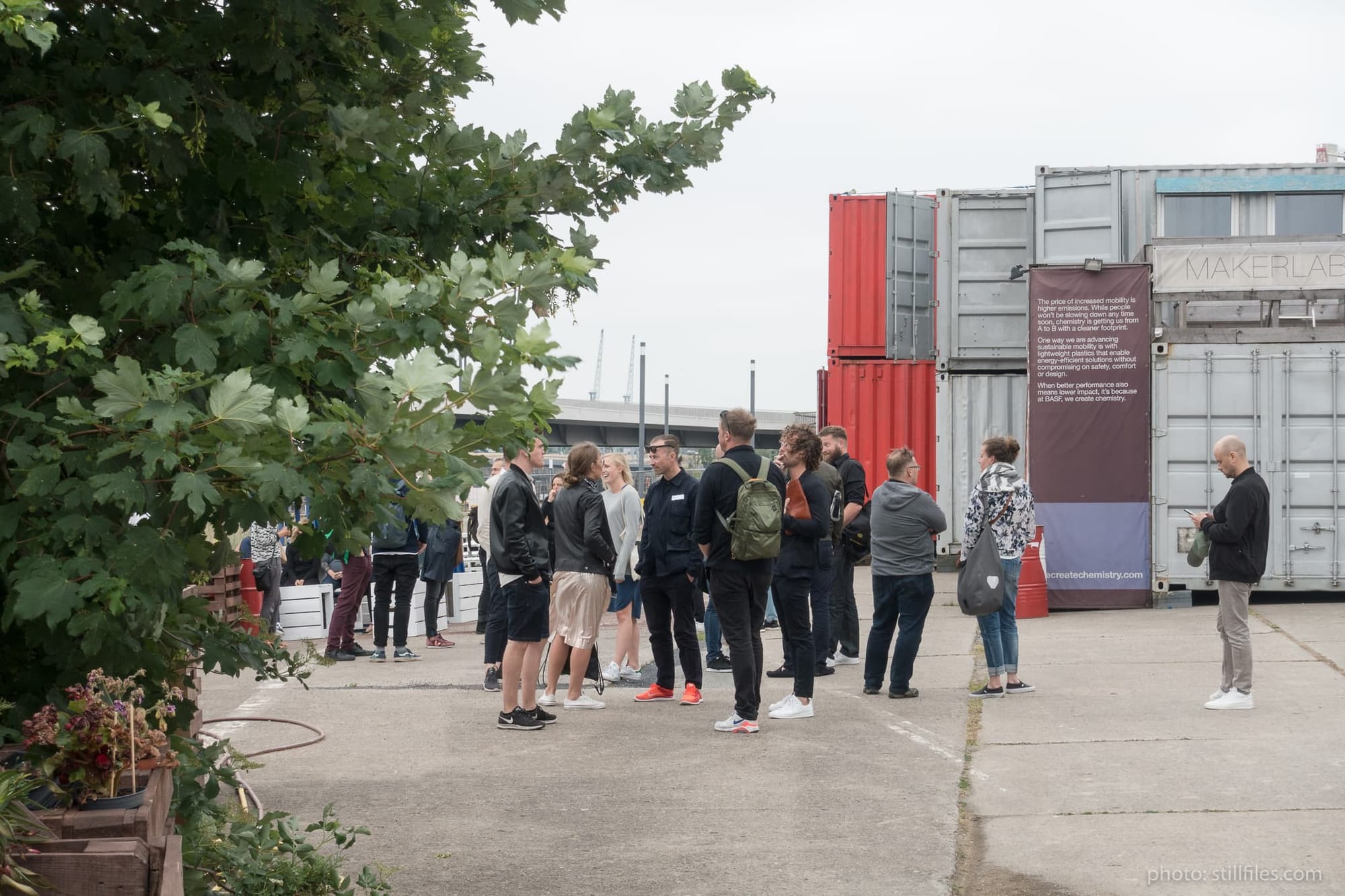
When you look back at that time, what do you remember as defining moments from your Hamburg experience? A few things. First, I was in a totally different role then - I wasn’t working for the City of Malmö yet. But I clearly remember workshops and presentations around the creative industries. They were interesting because I’d been part of the creative ecosystem in Malmö, but I hadn’t thought about it as an “ecosystem” or as infrastructure in a structured way. Those ideas really clicked during 040x040. I also remember the social side. I met a lot of people from Malmö that I hadn’t known before, which was unexpected. Some of those connections became important later on. In a way, the trip helped me learn Hamburg and also strengthened my network back home.
Back then it was around 2018. If you compare where you were professionally to today, what changed? A lot. It was pre-pandemic. I didn’t have kids. I worked in credit information and in fintech-related contexts. During the 040x040 days, I even used the chance to meet people in Hamburg’s credit information world outside the official program. At least one of those conversations later led to real business between Malmö and Hamburg.
And where are you today, eight years later? I’m just starting a role with the City of Malmö, exploring what the “nighttime economy” could mean for the city - and developing ideas and methods for how Malmö can work with nightlife more intentionally. I’ve also been back to Hamburg and met people working on nightlife development there. Some of those contacts came via people I met through 040x040, which shows how long the network can last.
That’s quite a shift - from fintech to nightlife. How did that change how you think about creativity? For almost 30 years I’ve been part of nightlife and culture as a promoter and event organizer. But for a long time I didn’t think of it as “infrastructure.” Now I increasingly do. If cities want to thrive, creative ecosystems and nightlife need support - not just admiration.
When you think about creativity and the times we live in right now, what’s on your mind? Collaboration, above all. But collaboration requires bravery today. Creativity means exploring without knowing the outcome. And the current moment is difficult: money is lacking, trust can be lacking, and the future feels uncertain. That’s why spaces for creativity matter so much. They help people explore, professionally and personally.
What’s changing right now in nightlife and the nighttime economy? Nightlife has always changed. Even in the 1970s there were backlashes, like when DJs replaced live bands. Right now, one major shift is that people drink less. A lot of venues historically depended on alcohol revenue, so the business model is changing. If we treat these places only as alcohol-selling venues, we lose them. But if we understand them as meeting infrastructure for a city, we can develop new models to sustain them. I also get signals that younger people - around 18 to 22 - want to go out more again. After the pandemic, many patterns shifted. It’s important that older generations help create space for this energy and don’t let it get stuck in bureaucracy.
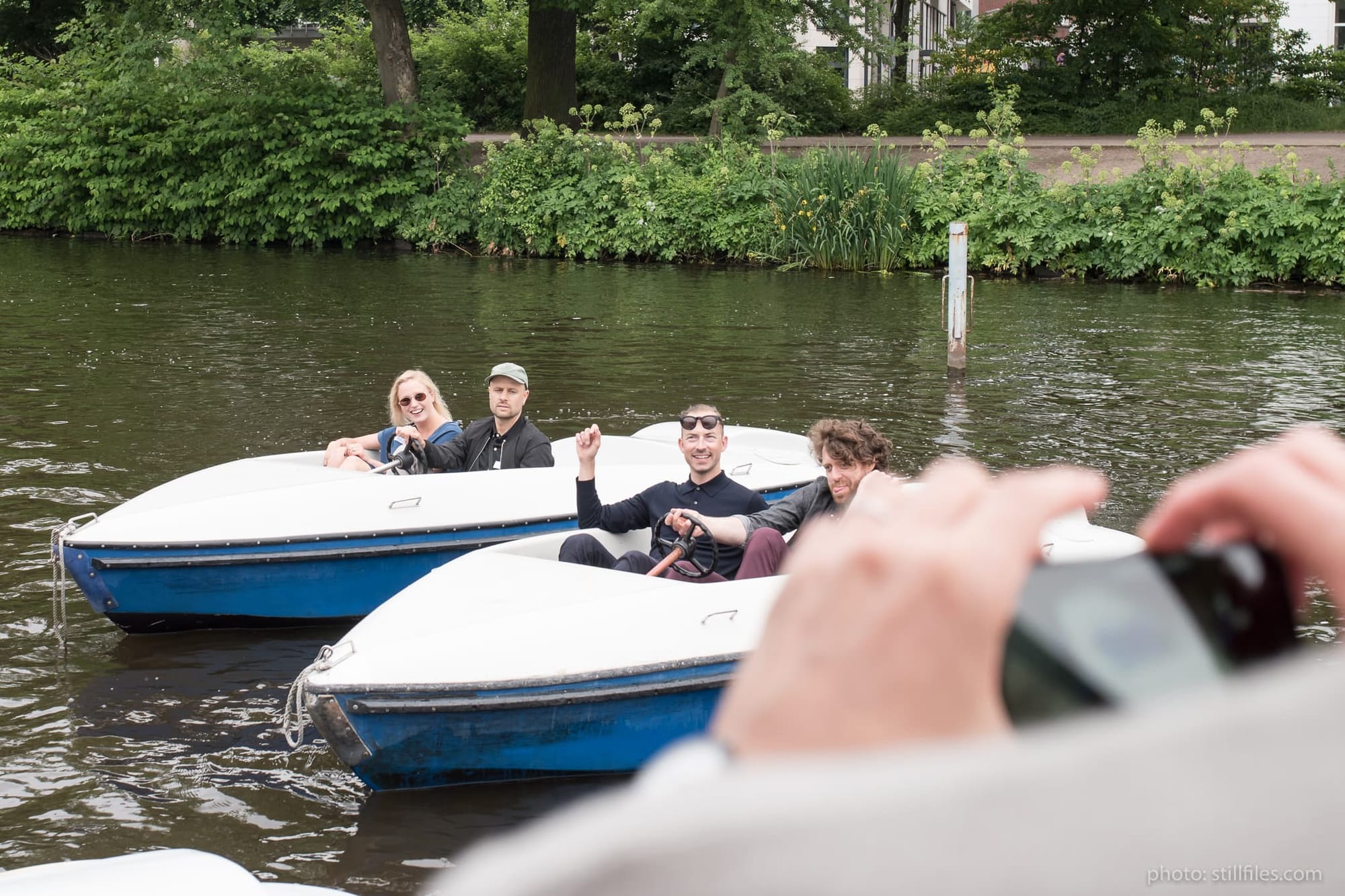
Let’s talk Hamburg-Malmö. What surprised or inspired you about Hamburg? The boat trip gave me a strong sense of how many different parts and scenes the city has. And what impressed me most was the richness of culture and subculture, paired with generosity. The people I met - both during 040x040 and later visits - were consistently friendly and helpful.
From your perspective, what are differences in how Malmö and Hamburg approach creativity? Malmö has had a strong DIY scene for a long time, but it hasn’t really been part of the municipality’s thinking. Recently we got numbers showing that about 25% of Malmö’s businesses are in creative industries. We didn’t even know that before. In Hamburg, I have the feeling the city has been working with these topics in a more deliberate way for longer.
If you could show people from Hamburg three things in Malmö right now, what would you pick? The NGBG festival in September, because it showcases Malmö’s DIY and underground scene - but also a very friendly energy. Then Malmö’s bike infrastructure, because the city is easy to experience by bike: water, parks, downtown, and neighborhoods like Möllevången. And of course, Möllevången itself.
Looking ahead, what would you hope for from a new edition of 040x040? I’m interested in how we can explain the cultural and economic value of nightlife and creative industries - and how to organize support for these ecosystems. I’m also interested in translating the importance of subculture into language that policymakers and institutions understand, without losing what makes subculture powerful.
Anything else you’d like to add before we wrap up? I was very impressed by Clubkombinat. In Sweden you hear a lot about “night mayors” and nightlife models in other places - but not enough about what Hamburg is doing. I’ve been telling people internationally about Hamburg’s approach, because it’s genuinely impressive.
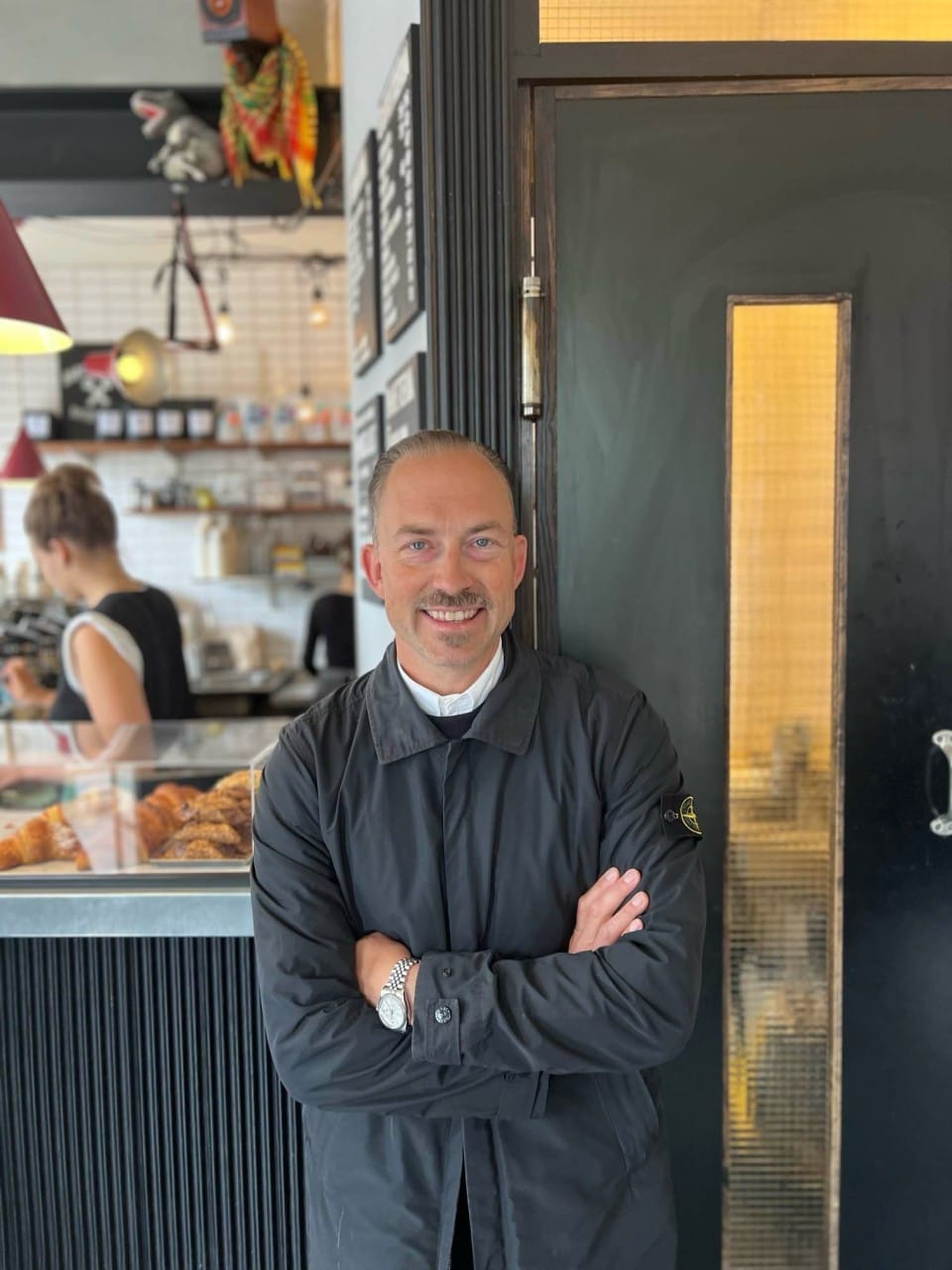
Harald Stjerna has held the newly established role of Cultural Liaison (Kulturlots) for the City of Malmö since autumn 2021. In this role, he works to bridge sectors and support cultural actors and property owners in finding solutions that create added value for both parties, while also strengthening the city’s work on culture-driven urban development.