2025 marked the 10th anniversary of 040x040. What started as a crazy idea of a German guy on the terrace of Media Evolution in Malmö turned into an exploration of urban innovation between two underdog cities – Hamburg and Malmö, both sharing the same dialing code, by the way. 040x040 evolved into a vibrant cross-cultural community of creators, innovators, and curious minds pushing the boundaries of creativity. Ten years later, we're revisiting the people who made it what it is.
Matthias: Do you still remember the first 040x040? It was the first one we did in Hamburg in 2015. What do you remember, and what stuck with you?
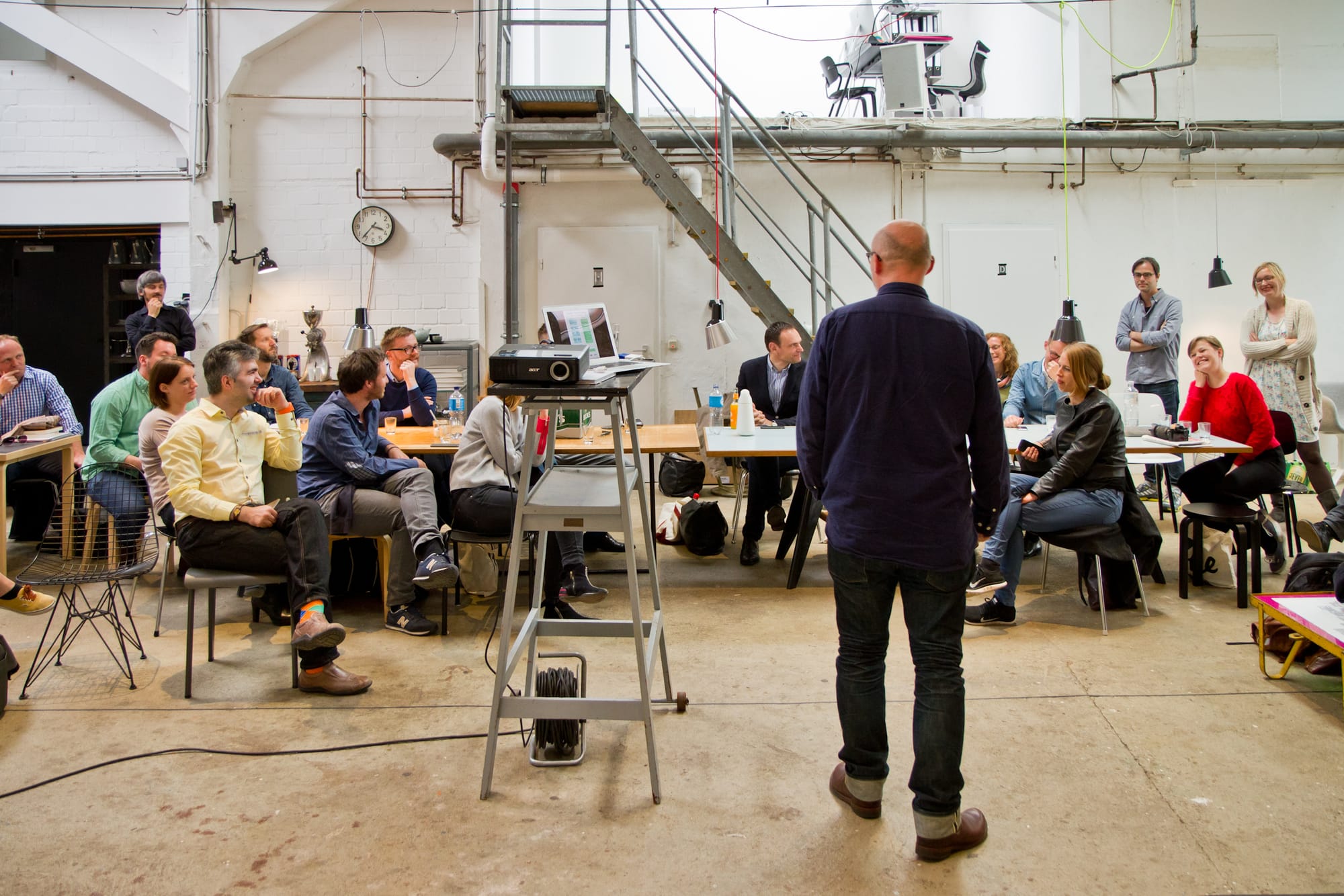
Rebecka: Yes, I do. What stuck with me was the openness of the group. When I joined, I was still a student, and it was very welcoming. The perspectives and ideas I brought to the table were listened to. Even though you were visiting Google or a very small place, everything was on the same level. Everyone had the same value, which was a very warm feeling.
Matthias: Back then you were a student. What did you study, and what did you bring with you when you came?
I studied a Bachelor of Science in Media Technology. It was a lot about process management within production, production management, project management, and business processes. At the time I also did a course on innovation and business management, organization, and leadership.Coming with that in my backpack and visiting different sizes of companies, you could see similarities and differences between an independent design studio and a huge company like Google. For me, that was eye-opening and made me decide not to work in a big corporation. Also, what we learned in school was still relevant in the settings we were in. I guess it was, because I still have contact with many of you.
It’s been 10 years. Where are you now?
Now I’m working at Media Evolution, which was one of those who organized it. Altitude Meetings was also part of 040x040, and I did some work with Altitude Meetings at the time. Later on I had my internship at Media Evolution.Before that internship, I worked at a conference. After graduating, I worked at an American content marketing bureau, and then in the innovation sector in a role between the public sector and the business sector within the cultural and creative sector. From there, our CEO Martin asked me to come work at Media Evolution. I’ve been here for five years.
Over those 10 years, what has changed in your line of work around innovation and process design, and also when you look at creativity?There are things like AI and digitalization. It’s obvious. But what hasn’t changed is the part where you look at creatives who really want to create and build, and maybe not run a business. At the same time, you have to run a business to make profit or to make it go around. The bridge between those two is kind of the same as it was a long time ago, which is kind of sad.People in the cultural and creative sector are very good at managing change, because it is constant. It inhabits a huge amount of creativity to constantly change. But the business versus the creativity part is kind of the same.
What’s on your mind right now, May 7th, 2026, when you think about creativity and collaboration in your work?
We are enablers in many ways. I don’t see myself as a creative creative. What I’m thinking about is the need for collaboration, and collaboration across different sectors, not just within the cultural and creative sectors. Creators from different cultural and creative sectors have challenges with digitalization, and I think more now than ever those challenges are similar. Collaboration and learning from one another is super valuable. Coming together and collaborating is key.
When you look back at the last 10 years, there was the pandemic, wars, and a lot going on in Europe. How did you perceive that influencing collaboration and creativity?
Cultural and creativity is not floating around in a vacuum. It’s affected by everything happening around. In some senses the world is pretty dark right now, unfortunately, but that also comes with possibilities.Again, collaboration to come together, exchange knowledge, and learn from one another is one way of moving forward. Creativity is probably more than ever super important. People are afraid of AI, for example, and I think that makes it even more important to put the human touch, the creativity, into what you do.
When you think about Hamburg and Malmö, what did you take from Hamburg? What surprised or inspired you?
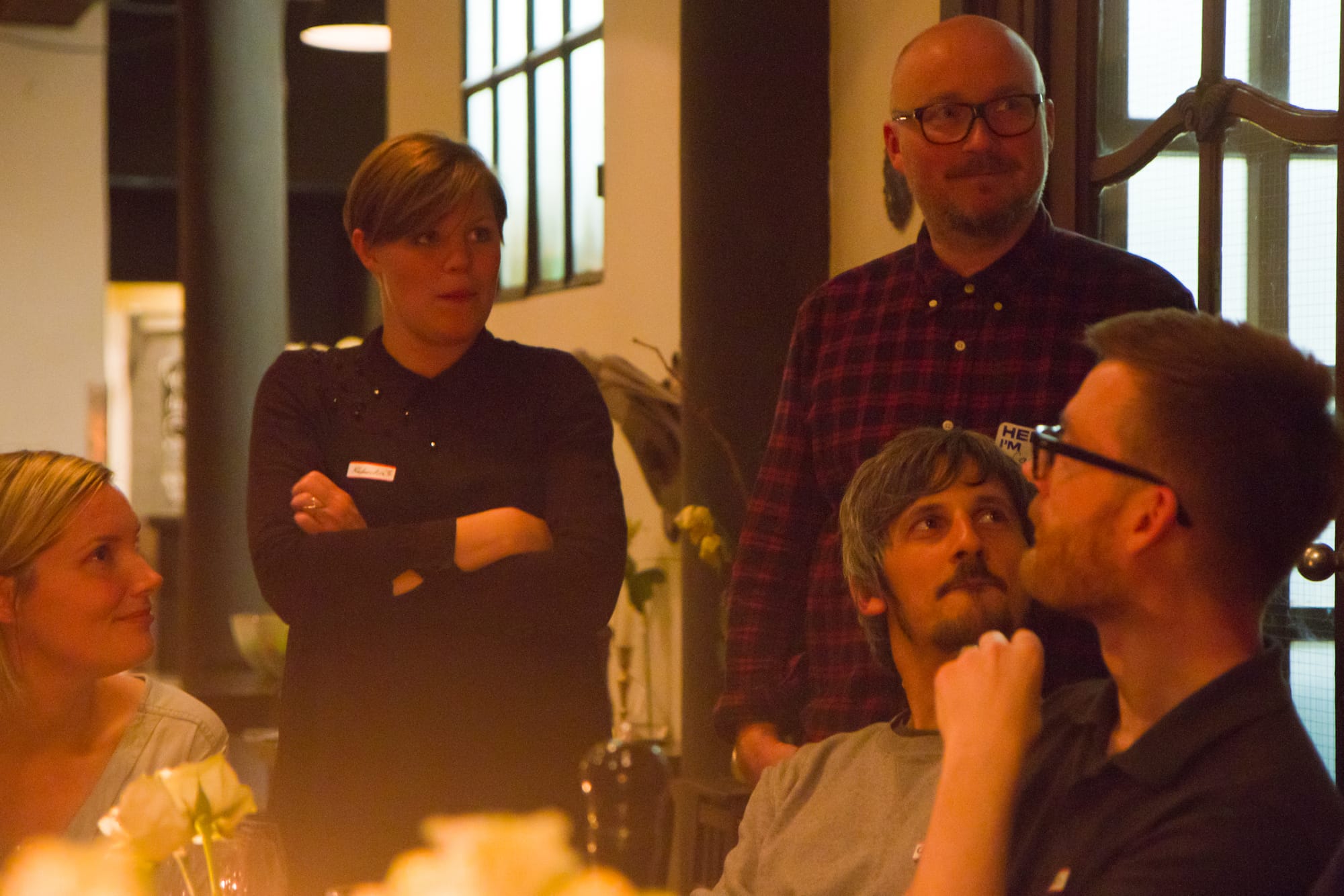
All the people I met. When you meet a really nice group of people and feel connected, it has a huge effect. I was not there in my professional role. I was there as a student. For me, it had a really nice impact.And one thing that changed since the pandemic is that the distance between Malmö and Hamburg has gotten larger. We are more apart since the pandemic. It feels like we took a step back in collaboration and exchange, probably because we couldn’t meet.
I find it paradoxical, because physically we are building infrastructure connections, but socially it diminished.How would you describe differences between Malmö and Hamburg in how they approach creativity, space, or change?
Hamburg is way bigger than Malmö, which comes with a lot of possibilities. There is more space for creativity in Hamburg, I would say. But Malmö is smaller, and that opens up closer collaboration.Also, in the last 10 years, building-wise and infrastructure-wise, a lot has happened in Malmö as well. It was in the planning years ago, but now it has come to life.
Was there one striking thing you felt in Hamburg that you thought was different?
Actually, I would say it was the other way around. I had perceived images of what a person from Germany was supposed to be, like more square. But that was not the case. I don’t really like to talk about the differences. I think it’s nicer to talk about the spirit of our times.
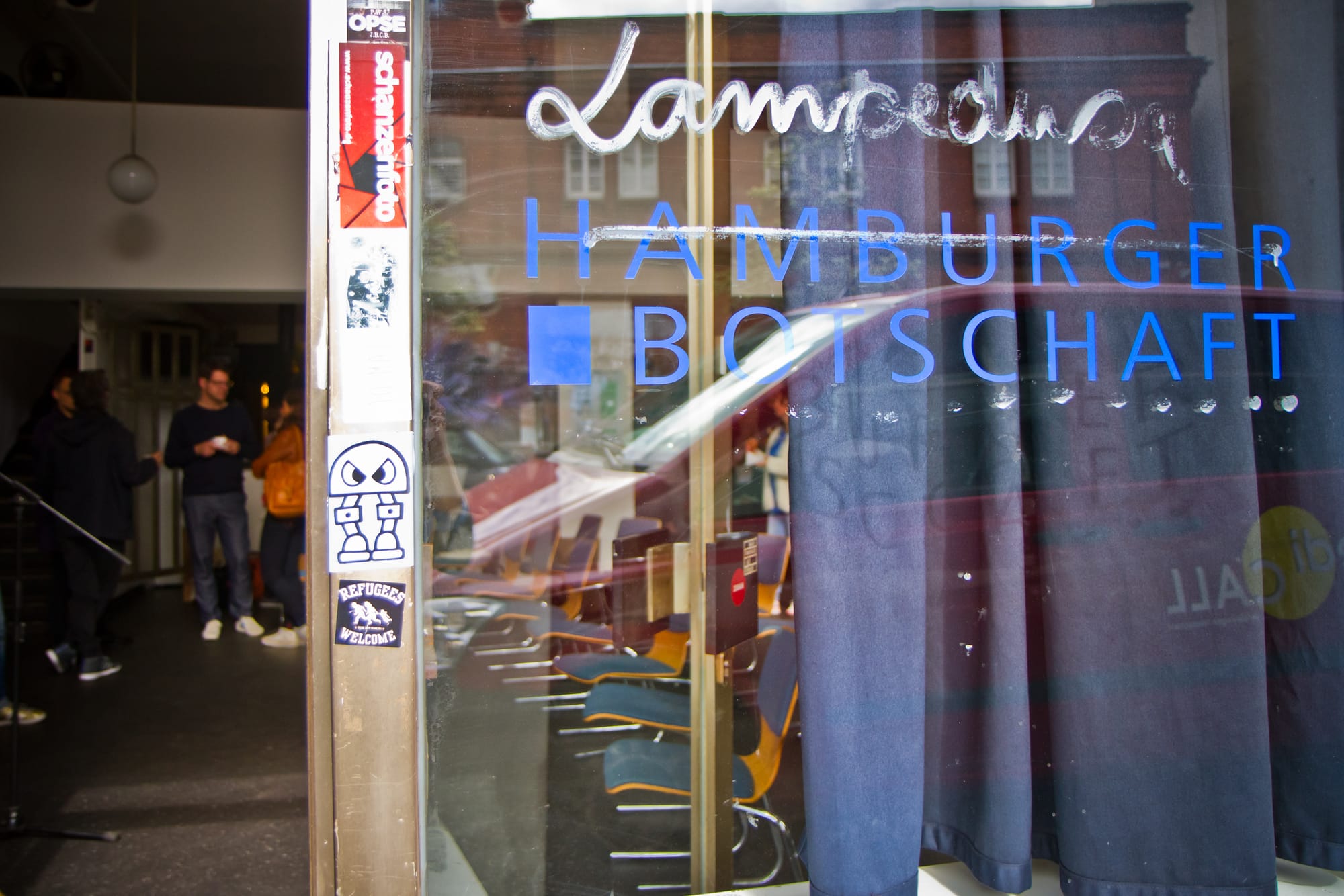
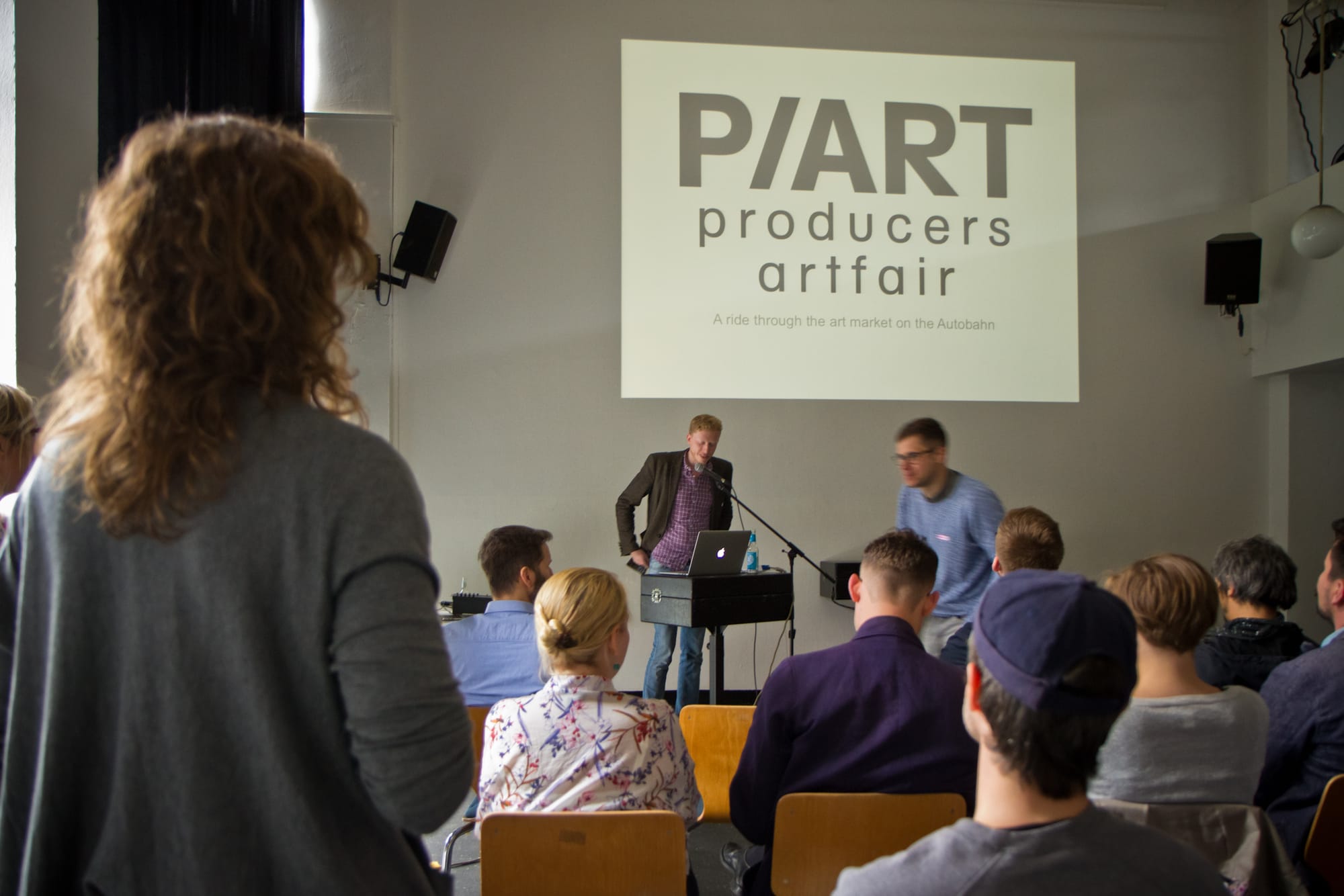
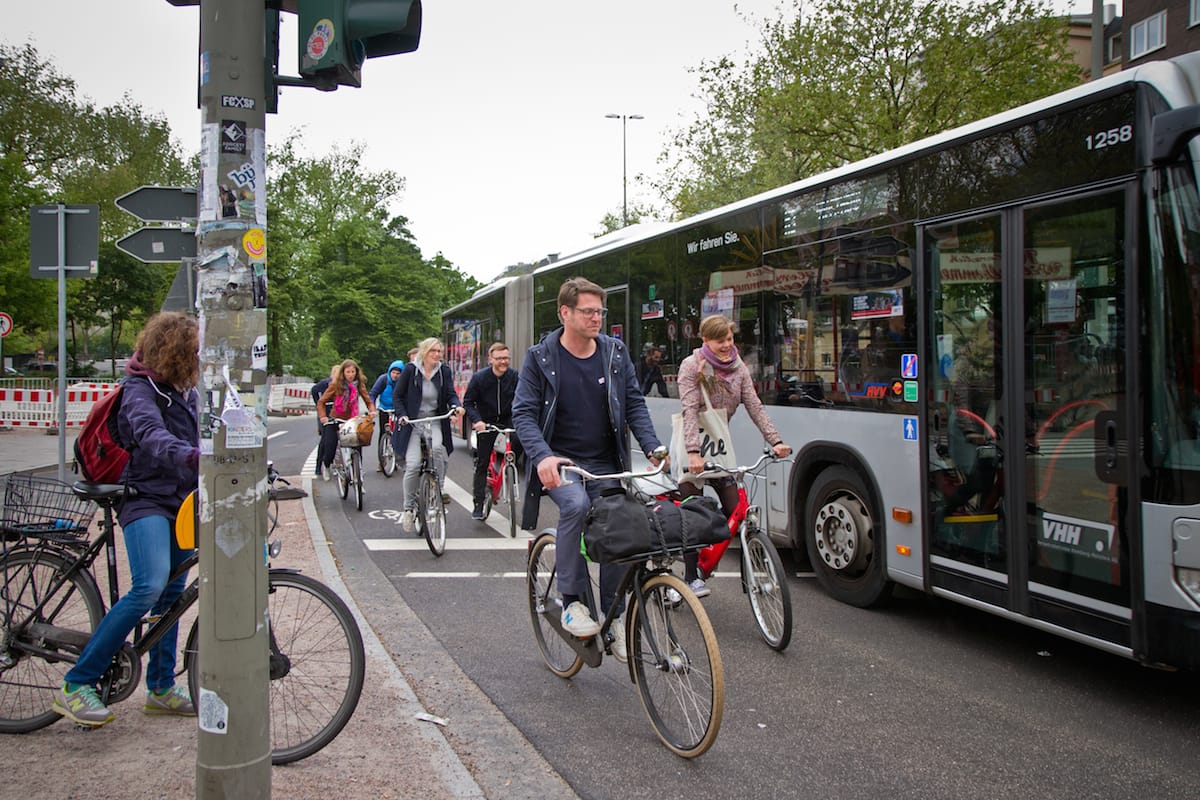
Always in motion: site visits are another signature treat during every 040x040 safari
If you could give three recommendations in Malmö for people from Hamburg, what would they be?
On a personal level I have two kids now, so it’s work or kid-friendly stuff. But bring your kids to Folkets Park. That’s awesome. I rediscovered Folkets Park when I got kids. A lot happened around Möllevången as well. There are many nice restaurants to visit. I had lunch at Sandlo a while back, which was really nice. I also think it’s interesting that the Malmö museum has moved into the old casino. They are investigating together with the inhabitants of Malmö what they are going to be in the future. And I love Malmö Konsthall. It’s lovely, and it’s kid-friendly as well. You can see the exhibition and then they have a workshop area connected to the exhibition.
One of my observations back then was that in many offices there were kids’ chairs or a small corner where you could bring kids. In Germany, it felt more like it was unwanted.
It’s not very common to bring your kids to work. But that infrastructure is there to show that it’s possible. It’s not taboo. That’s a way to physically promote work-life balance. If you really have to come into the office and you have the kids, it’s okay to bring them. But it’s not something people do on a daily basis.
Looking ahead, we’re thinking about a new edition of 040x040. What would your hope be?
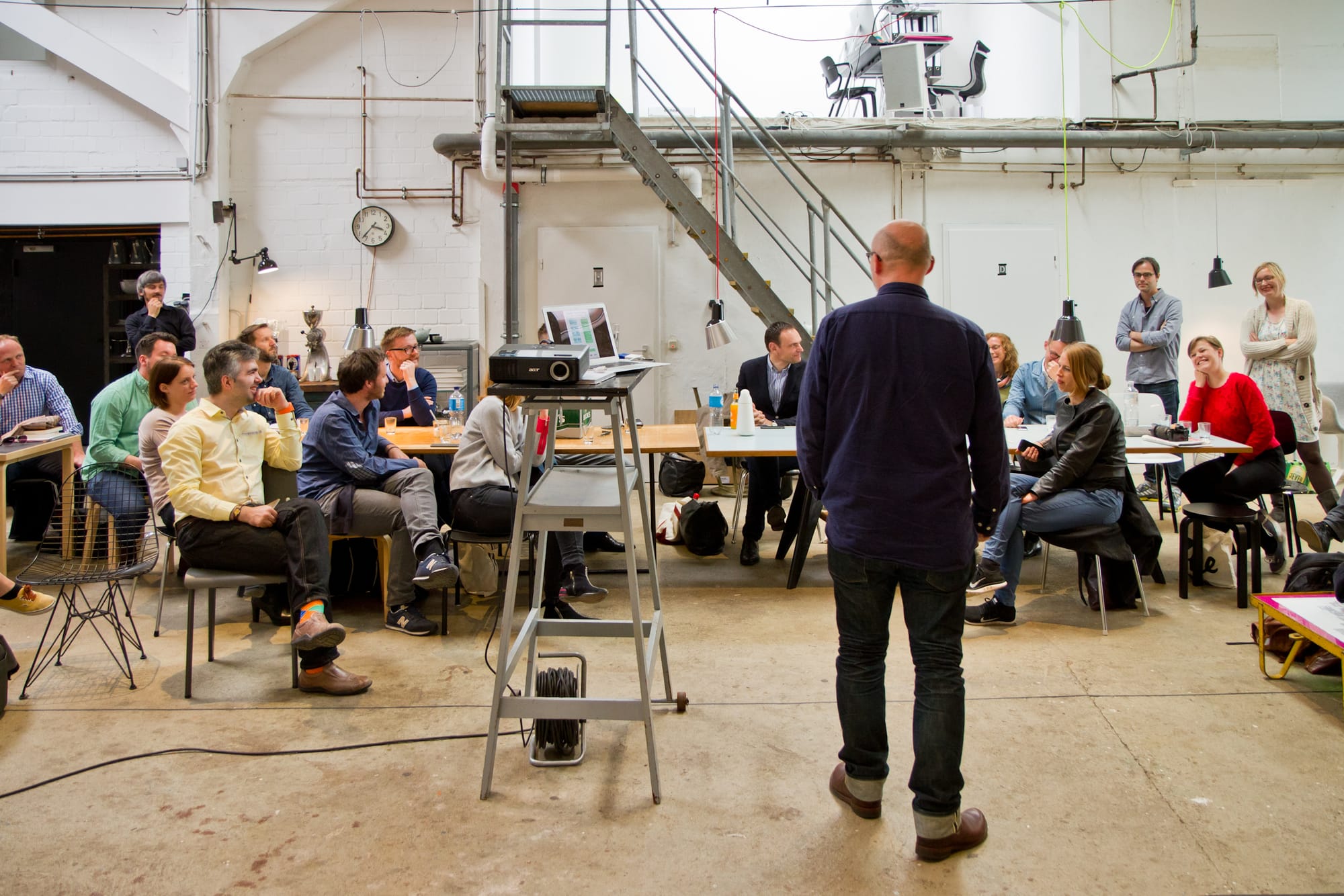
I was part of one visit in Hamburg and two in Malmö. There were other visits that I didn’t go to. For me, it would be nice to do the whole thing once again and revisit what we did in 2015. I saw the picture from Andreas where we visited Sven Meyer in his apartment. That was so homey and amazing to step into that setting, and then a couple of hours later visit the Google headquarters. The contrasts were very nice. It doesn’t have to be that big. And the stops at the roastery as well.
Is there anything else you would like to give us to consider?
I would really push the soft values. The experience has a business side, of course, but it’s very genuine from the human perspective.
Thank you so much, Rebecka.
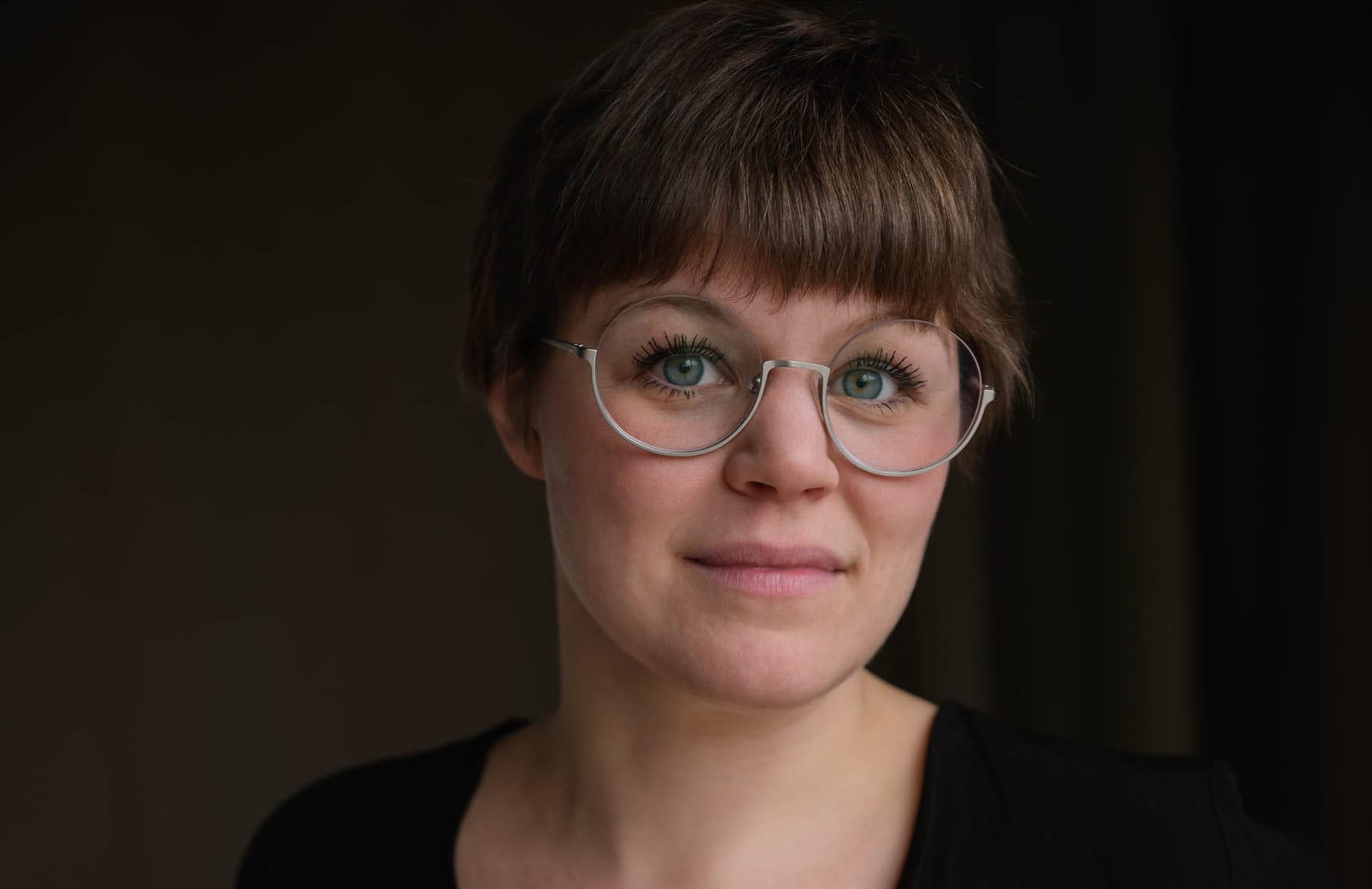
Rebecka Nilsson is a seasoned project manager with a strong background in the cultural and creative industries. Since December 2021, Rebecka has worked at Media Evolution as Project Manager and Business Area Lead, overseeing the project portfolio and driving a range of initiatives. Previously, Rebecka was a Project Leader at Helsingborgs stad (2018–2021) with a focus on promoting cultural entrepreneurship, and worked in project management at Mindpark, contributing across multiple projects and organizational development. Rebecka also has experience in communication, strategic design, and personnel management, and studied at Malmö University and Stockholm University.